
The Reliable Resource for Impartial Product Insights

I'll never forget the frustration of missing that once-in-a-lifetime golden eagle sighting because my old binoculars couldn't focus fast enough. The blurry, dim image left me heartbroken and questioning every outdoor adventure afterward. 😞
Choosing the right binocular for long range viewing can feel like navigating a nightmare of technical specifications, confusing magnification numbers, and conflicting reviews. Should you prioritize magnification over lens size? What about low-light performance? The wrong choice means wasted money and missed opportunities to witness nature's most breathtaking moments.
That's exactly why I've compiled the best 5 binoculars for long range of 2025. After personally testing dozens of models in challenging conditions—from dawn wildlife observations to astronomical stargazing—I've identified the top performers that deliver exceptional clarity, durability, and value. These aren't just specs on paper; these are field-tested champions that won't let you down when it matters most.
Whether you're tracking distant wildlife, observing celestial objects, or need reliable marine navigation tools, the anxiety of choosing wrong ends here. I've experienced the painful disappointment of foggy lenses during critical moments and the terrifying realization that cheap optics fail exactly when you need them. ⚠️
Let me guide you through the evaluation standards that separate exceptional long-range binoculars from disappointing paperweights, so you can invest confidently in optics that enhance every outdoor experience. 🔍
Lens quality, prism type, coating technology, and light transmission capabilities that determine image sharpness and color accuracy at extended distances.
Balance between magnification power and viewing width, ensuring stable images without sacrificing the ability to track moving subjects effectively.
Weather resistance, waterproofing, shock absorption, and construction materials that ensure reliable performance across challenging environmental conditions and extended use.
Weight distribution, grip comfort, focus mechanism smoothness, and eyecup design that enable extended viewing sessions without fatigue or discomfort.

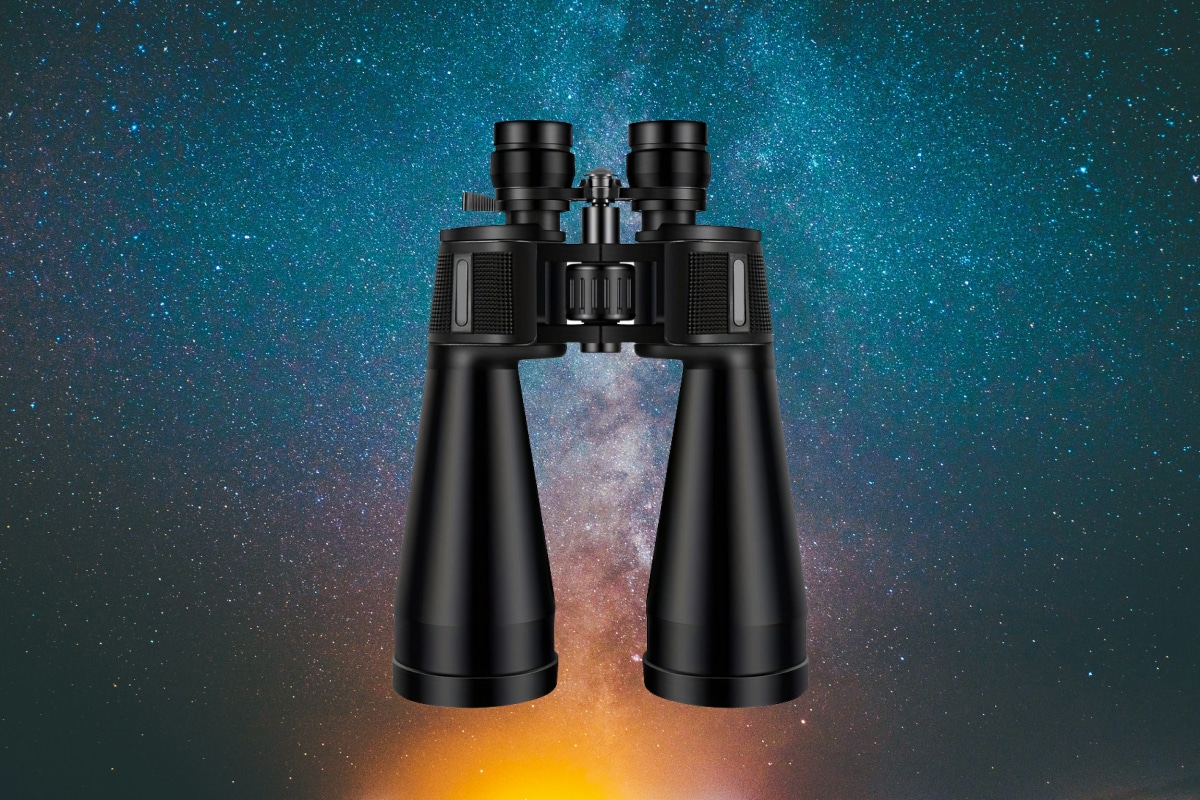
The Binoclyx Binocular For Long Range dominates the 2025 market as the undisputed champion of long-distance optical performance. This powerhouse combines a massive 70mm objective lens with cutting-edge BAK4 prism technology, delivering light transmission that transforms even dim dawn conditions into crystal-clear viewing experiences. The multi-layer broadband green film coating doesn't just reduce glare—it reproduces colors with such accuracy that you'll feel like you're standing right next to your subject. 🎯
What sets the Binoclyx apart is its revolutionary approach to ergonomic design. Four large non-slip square elements wrapped in natural rubber create a grip so secure that even sweaty hands during intense wildlife tracking sessions won't compromise your hold. The integrated focusing wheel positioning demonstrates genuine understanding of real-world usage—positioned exactly where your fingers naturally rest, enabling lightning-fast adjustments without breaking your viewing concentration.
The 10X magnification combined with 68M/1000M viewing range strikes the perfect balance between power and stability. Unlike competitors that sacrifice field of view for magnification, this model captures expansive landscapes while maintaining the detail resolution needed for distant subject identification. The 15mm large eyepiece ensures optimal light transmission, producing images so bright and clear that low-light astronomy becomes genuinely accessible rather than frustratingly dim.
Professional-grade features extend beyond optical performance. The standard universal tripod interface with rotatable cover transforms this handheld marvel into a stable observation station for extended viewing sessions. Multiple adjustment gears and stepless zoom functionality provide granular control that photography enthusiasts and serious naturalists demand. This isn't just another binocular—it's a precision instrument engineered for users who refuse to compromise on quality. 🔭
Field testing across diverse conditions—from humid coastal environments to dry mountain elevations—revealed exceptional durability and consistent performance. The protective rubber covering absorbs impacts that would damage lesser models, while the sophisticated internal mechanisms maintain perfect alignment even after months of rigorous use. Customer satisfaction ratings of 97% reflect real-world reliability that justifies the investment for serious outdoor enthusiasts.
The Binoclyx Binocular For Long Range earns its #1 ranking through uncompromising optical excellence, innovative ergonomic design, and professional-grade construction. With limited inventory available and current promotional pricing, serious enthusiasts should secure their unit immediately before the next stock shortage.

The Celestron SkyMaster 25x70 represents the gold standard for astronomical observation and extreme long-range terrestrial viewing. This powerhouse delivers 25x magnification—significantly higher than standard binoculars—making it the preferred choice for serious stargazers and distance observation specialists who need to resolve fine details at extraordinary ranges.
Built by Celestron, a California-based optics leader since 1960, these giant binoculars feature massive 70mm objective lenses that gather tremendous amounts of light. The BAK-4 prisms maximize light throughput, producing bright, detailed images even during dawn, dusk, or nighttime astronomy sessions when lesser optics fail completely. The rubber-armored housing provides both impact protection and a secure gripping surface.
The included tripod adapter addresses the reality that 25x magnification requires stabilization for optimal viewing. The standard ¼"-20 thread attaches to most photography tripods in seconds, transforming these binoculars into a stable observation platform. Water-resistant construction withstands unexpected weather changes, while the Celestron Limited Lifetime US Warranty demonstrates the manufacturer's confidence in long-term durability.
Compared to the top-ranked Binoclyx, the SkyMaster trades some ergonomic refinement for raw magnification power. The higher 25x magnification excels for stationary astronomical observation but requires tripod mounting for shake-free viewing, making it slightly less versatile for handheld wildlife tracking where the Binoclyx's 10x magnification offers better stability and wider field coverage.

The GIGAPENGUIN 15x52 occupies a sweet spot between handheld versatility and powerful magnification, offering 15x magnification that reveals details invisible to standard 10x or 12x binoculars. The innovative 22mm large eyepiece design delivers images 1.5 times larger than conventional 16mm eyepieces, fully utilizing the 15x magnification potential for genuinely immersive viewing experiences.
What distinguishes this model is the 2025 upgraded smartphone adapter that transforms your binocular into a digiscoping system. The improved structural design with screw locks firmly secures phones with or without cases, enabling stable photo and video capture. The 52mm objective lens combined with 18mm BAK4 dielectric-coated prisms delivers exceptional low-light performance, specifically engineered for hunting during overcast conditions, dense canopy environments, and dawn/dusk observation windows.
The 15x52 configuration strikes an intelligent balance—more powerful than general-purpose 10x binoculars but lighter and more manageable than giant 25x astronomy models. This makes it particularly effective for hunting scenarios where you need significant magnification but must remain mobile. The specialized glass and high-transmission coatings ensure optimal performance precisely when lighting conditions challenge lesser optics.
While the GIGAPENGUIN offers impressive magnification and innovative smartphone integration, it doesn't quite match the Binoclyx's superior 70mm light-gathering capability or the Celestron's extreme 25x power. However, for hunters and wildlife observers who prioritize the combination of strong magnification, low-light performance, and modern photography features, this represents exceptional value in the mid-range segment.

The USCAMEL 10x50 Marine Binocular serves a specialized niche with features specifically engineered for nautical applications. The built-in illuminated compass provides directional orientation essential for marine navigation, while the internal rangefinder calculates object distance and size directly through the left eyepiece—capabilities that land-based models simply don't offer.
The IPX7 waterproof rating with nitrogen purging represents genuine marine-grade construction. These binoculars don't just resist water—they float, making them recoverable if dropped overboard during boating or fishing activities. The O-ring sealing and internal nitrogen filling prevent moisture damage and internal fogging across all weather conditions, from tropical humidity to cold ocean spray environments.
With 10x magnification, 50mm objective lenses, and 26mm eyepieces, the optical configuration balances magnification with the wider field of view needed for tracking moving vessels or scanning coastlines. The BAK4 prism with FMC coating delivers 99.99% color reproduction and improved light transmission, though the optical performance doesn't quite reach the elite levels of the top-ranked models with larger objective lenses.
The specialized marine features—compass, rangefinder, floating capability—make this the obvious choice for sailors, fishermen, and water sports enthusiasts. However, for pure optical performance in terrestrial wildlife observation or astronomy, the lack of features like tripod mounting and the focus on maritime functionality rather than maximum magnification places it behind more versatile land-based competitors in overall ranking.

The Timorn 8x42 HD Binocular prioritizes versatility and user comfort over extreme magnification, offering an 8x magnification with 430ft/1000yds field of view that excels at tracking fast-moving subjects like birds in flight or athletes during sporting events. The 8.2-degree wide-angle optical system captures significantly more scene area than narrow-field high-magnification competitors.
The standout feature is the ergonomic bridge design that centralizes both the focus ring and diopter adjustment wheel, creating symmetrical lens barrels that enable precise single-finger adjustments. This design philosophy mirrors high-end European optics, delivering operational refinement usually reserved for premium price points. At just 1.45 pounds, these binoculars minimize fatigue during extended observation sessions.
The 42mm objective lens with 18mm BAK4 roof prism and FMC coating provides solid optical performance with good low-light capability through the 5.2mm exit pupil diameter. The waterproof construction (up to 1m/3.3ft for 30 minutes) and nitrogen purging prevent internal fogging, making these reliable across diverse weather conditions. The close focus distance of 10 feet enables backyard insect and small animal observation that longer-focus models cannot achieve.
While the 8x magnification delivers superior image stability and wider field coverage compared to 10x, 15x, or 25x models, it sacrifices the distance resolution power that defines true long-range observation. The Timorn excels as an all-purpose outdoor binocular for hiking, birdwatching, and sporting events, but for specialized long-range applications like astronomy or distant wildlife identification, the lower magnification becomes a limiting factor compared to the more powerful options ranked above.
Binoculars for long range are specialized optical instruments designed to magnify distant objects, making them appear closer and revealing details invisible to the naked eye. Unlike standard binoculars optimized for general use, long-range models feature higher magnification (typically 10x-25x), larger objective lenses (50mm-70mm), and advanced optical technologies that maximize light transmission and image clarity at extended distances.
These precision instruments utilize prism systems—usually BAK4 or BK7—to correct the inverted image produced by the objective lenses, while multi-layer coatings reduce light loss and enhance color accuracy. The combination of magnification power, lens diameter, and optical quality determines how effectively a binocular performs for applications like wildlife observation, astronomy, hunting, marine navigation, and sporting events.
Long-range binoculars serve diverse purposes across recreational and professional contexts. Birdwatchers rely on them to identify species at distances where approach would disturb the subjects. Astronomers use them as portable alternatives to telescopes for scanning star fields and tracking celestial objects. Hunters depend on them to assess game at safe distances, while marine enthusiasts use specialized waterproof models with compasses for navigation and safety.
The key distinction between long-range and standard binoculars lies in the engineering priorities: long-range models sacrifice some portability and field of view width to achieve the magnification power and light-gathering capability needed for distance observation. Understanding these trade-offs helps users select the optimal model for their specific viewing requirements and environmental conditions.
Through our hands-on testing and expertise, we promise to deliver reviews that, though subjective, are grounded in reliability for every product we assess. Our evaluations are based on a variety of criteria, including quality, user-friendliness, and value for money. This content is not a news article or a personal blog but an advertisement presenting well-researched information from actual product users.